
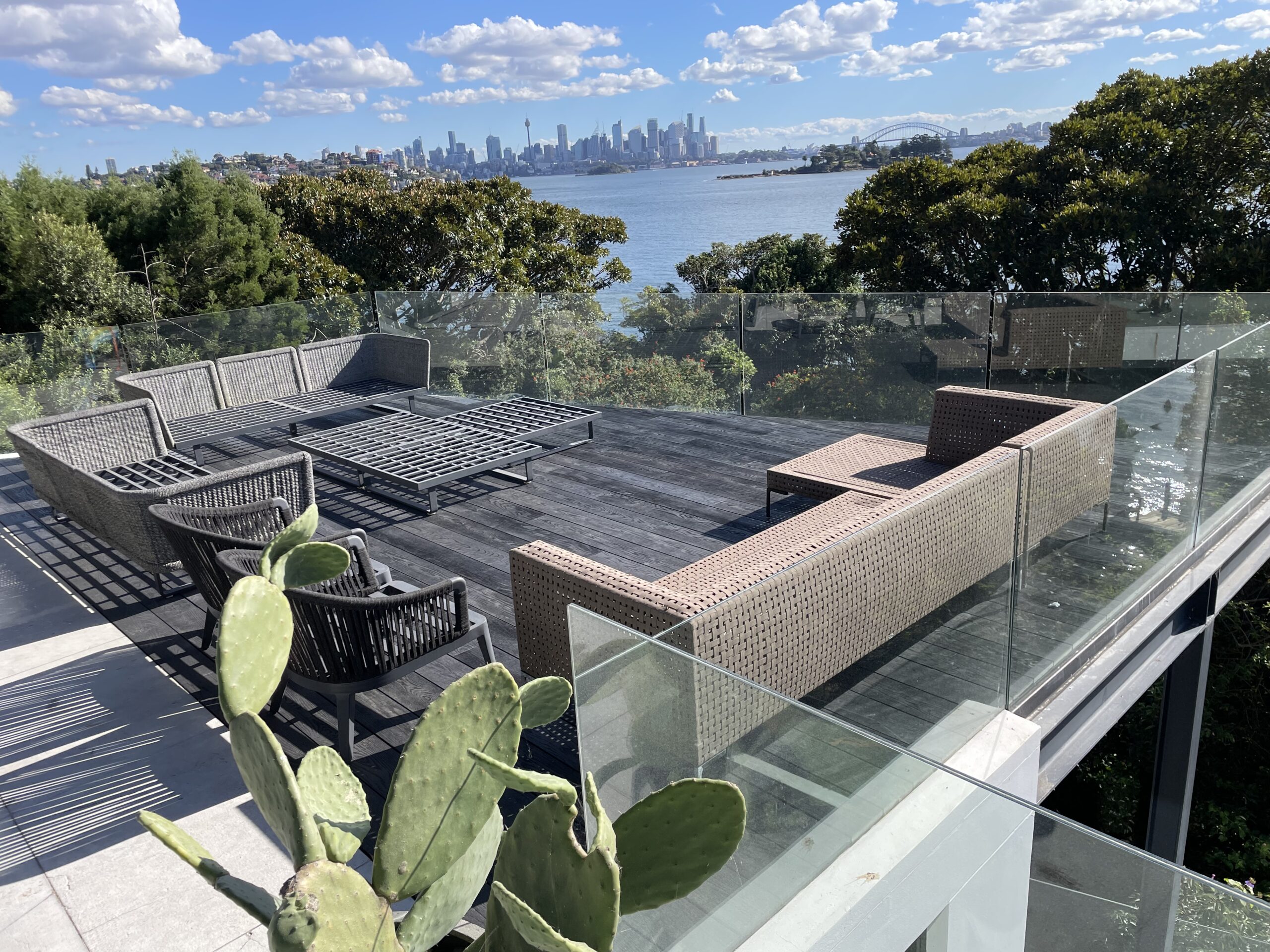
I’m Greg, The Decksmith. Of every composite board sold in Australia, Millboard is the one I’d put at the very top for pure looks — it’s as close to a real, aged hardwood deck as a wood-free board gets. Here’s the honest story on why, who it suits, and what it costs.
The most natural-looking composite there is
Millboard is, without doubt, the premium composite decking board available in Australia — and arguably the world — for its natural aesthetic and its likeness to real, aged hardwood. That comes down to how it’s made: each board is hand-moulded from a real oak plank, so the grain and tonal variation are genuine, not a repeating printed pattern. It’s wood-free — mineral and polymer, not timber fibre — with a flexible surface layer that takes the character of the timber it was cast from.
Installed right, Millboard is seriously good-looking. Curves and angles come up hot, and the bullnose and trim pieces let you solve almost any puzzle on site.
The sample sells it
Honestly, the sell is simple: I put a piece of Millboard in a client’s hands. If it’s within budget, the deal’s usually done on the spot. The only problem it creates is that once you’ve seen and felt it, the more affordable brands can look blatantly artificial by comparison — so it sets a high bar.
Who it’s for
Most of my work is in Sydney’s Eastern Suburbs, where homes are finished to a premium standard and budget is only one deciding factor — so a board like Millboard is a natural fit. But plenty of my more budget-conscious clients choose it too, and for sound reason: on a home, the value a Millboard deck adds to the property tends to outweigh the premium you pay for the board. It’s money in the house, not just money in a deck.
Why it’s a joy to build with
Beyond the looks, Millboard is a genuinely good board to work with once you’ve paid your dues and got the technique under your belt. It’s forgiving with fixing placement, easy to lift and re-lay if a change is needed, light to handle, and wide enough for good coverage. The design freedom is the real draw — the trim and bullnose range make curves, steps and tricky edges achievable in a way most boards can’t match.
Where it’s not the right call — straight talk
No board is perfect, and I’d rather tell you the trade-offs up front:
Board length. Millboard comes in 3.6 m lengths. On a deck wider than that in a single run, you’ll need a butt-join — which takes real planning to place well. It’s solvable, but it’s a design consideration, not an afterthought.
Landed cost. It’s made in the UK, so the freight is built into the price — and that premium grows as the deck gets bigger. On large areas, the cost difference against a locally-stocked brand becomes significant.
Fire rating. Millboard has no current published bushfire (BAL) rating. In Sydney’s Eastern Suburbs that’s rarely an issue — these aren’t bushfire-attack zones. But for a fire-prone site (I see them on jobs further north or up around the hills), I’ll steer you to a fire-rated board instead. I won’t put Millboard somewhere it isn’t certified for.
Certification. It’s a UK product without an Australian CodeMark. It’s never once come up in a quote — but as AI-driven search starts surfacing this kind of detail, I expect it’ll matter more over time, so I’d rather you hear it from me now.
The subframe. Millboard wants a timber subframe. It isn’t a fix-straight-to-steel board in the normal way, and cutting it is harder than a standard composite because of the reinforcing in the board. None of this is a dealbreaker — it just needs an installer who knows the product.
The low-deck advantage
Here’s a real edge for the right site: because Millboard is wood-free, the manufacturer sets no minimum ground clearance and no ventilation requirement. On a deck sitting close to the ground, or in a damp spot where a timber-fibre composite simply wouldn’t qualify, Millboard often can. If you’ve got a low or awkward area, it’s frequently the board that makes the job possible at all.
Ranges and colours I fit most
The range I install most is Enhanced Grain. Colour is a real mix and it moves with the times — a lot of Antique Oak and Coppered Oak lately; years back I was laying mostly Limed Oak. There’s also a Lasta-Grip range with the highest wet-slip grip in the line-up, which is the one to look at for pool surrounds and wet areas. On colour I won’t push you — I’ll bring the samples and you choose what you love.
Millboard Enhanced Grain at a glance
A note on fixing
I fix with the standard Durafix system, top-fixed. After years of practice it’s fast and clean, and the flexible surface closes back over the screw head so the fixings all but disappear. Side-fixing is an option some installers use, but in my experience it actually leaves more screw evidence, not less — so top-fix it is.
My Millboard projects
Millboard decks across the Eastern Suburbs
I’ve built Millboard decks around Sydney’s east where the look had to match a high-end home. Have a look at a couple in detail — the design freedom and the aged-oak finish are what these projects are all about.
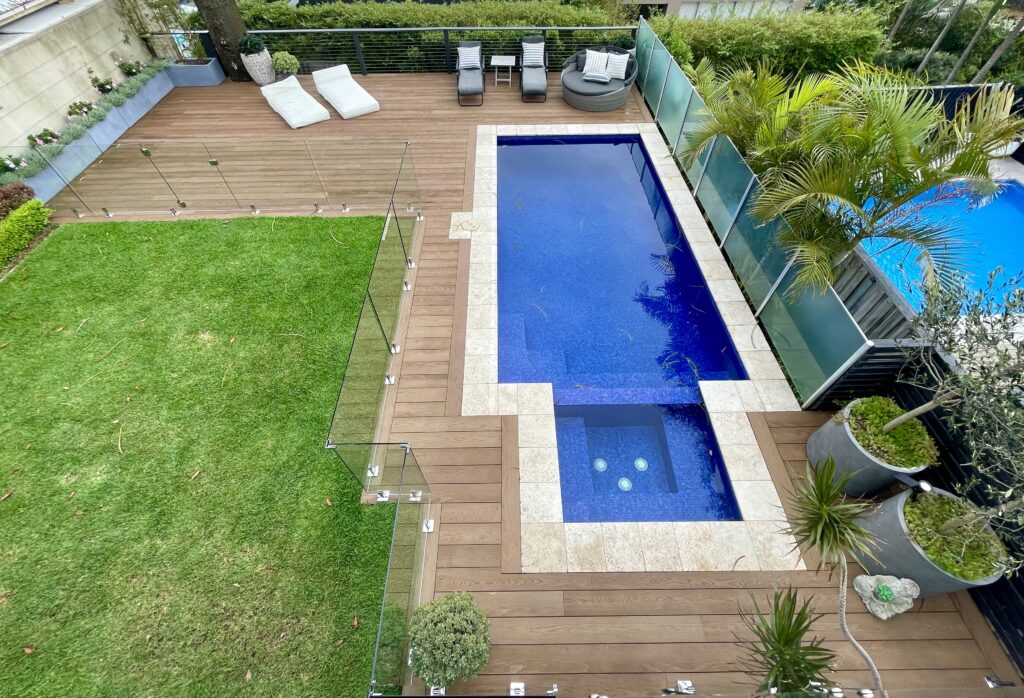
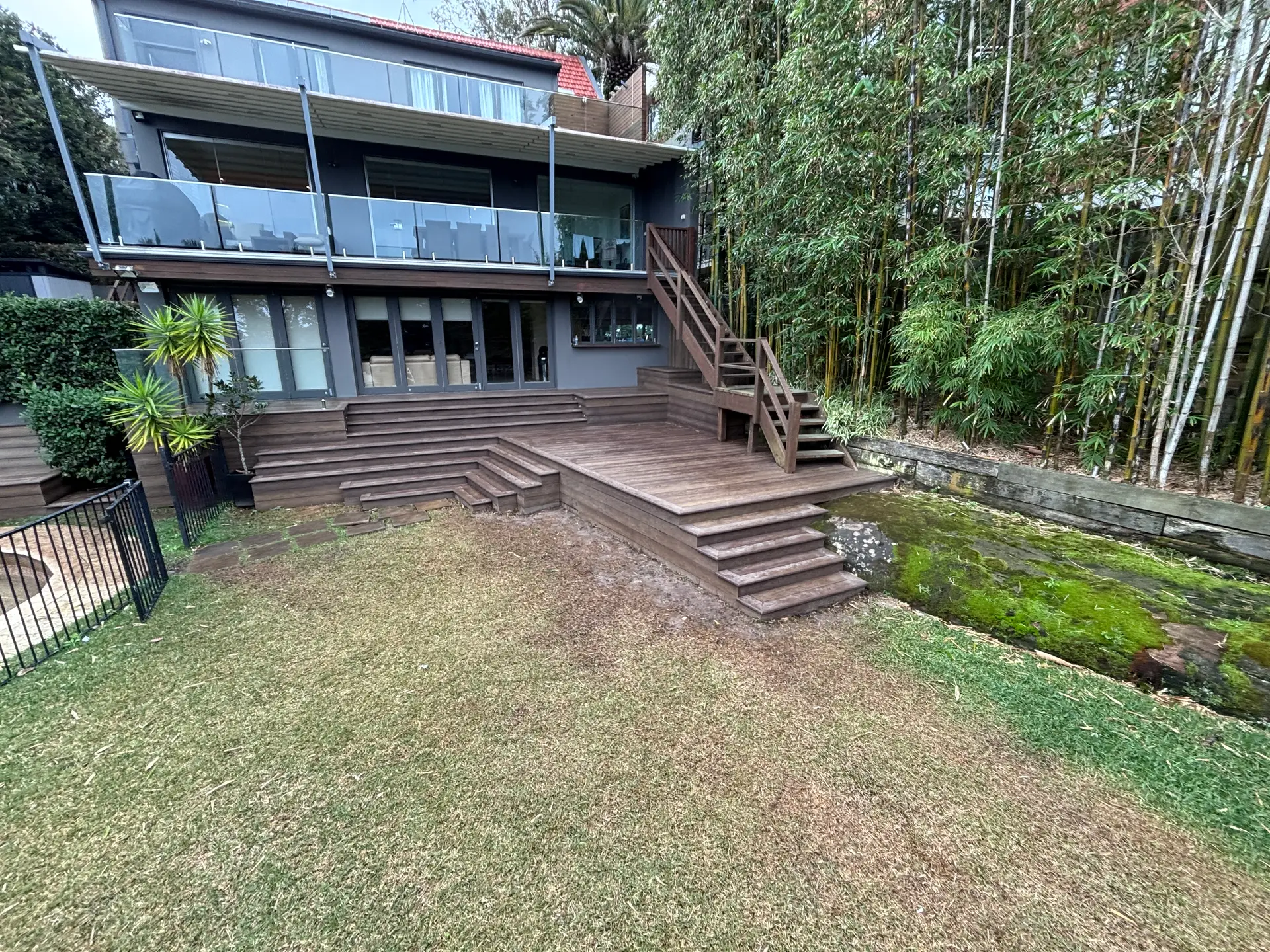
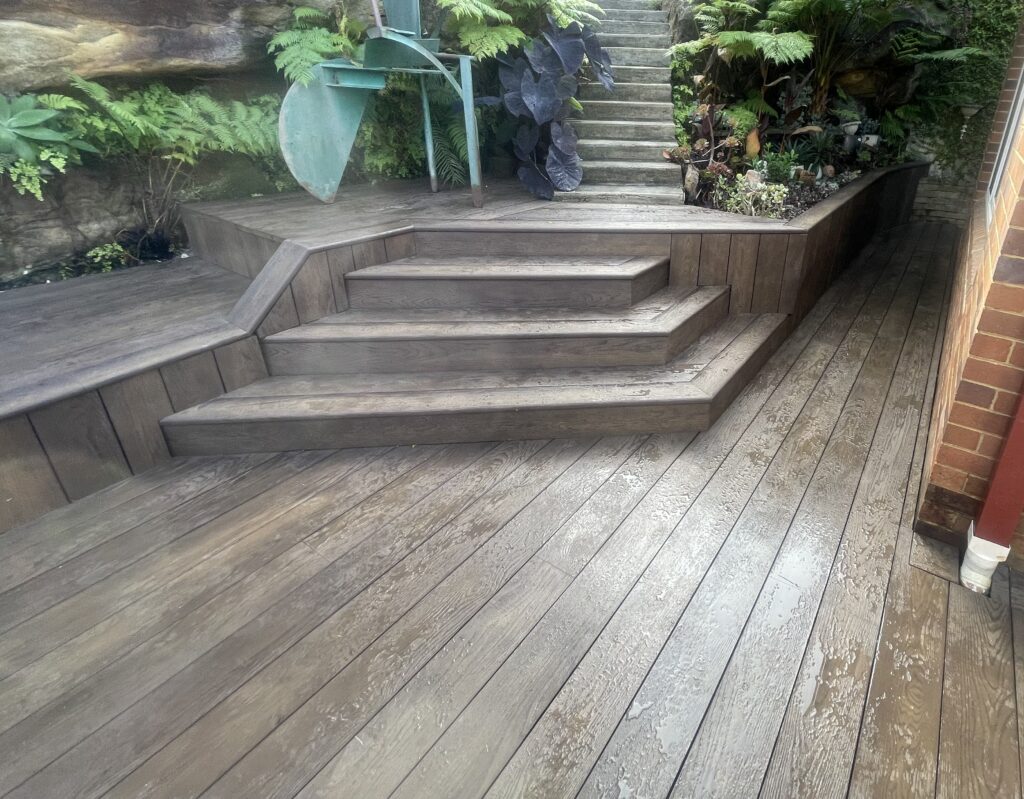
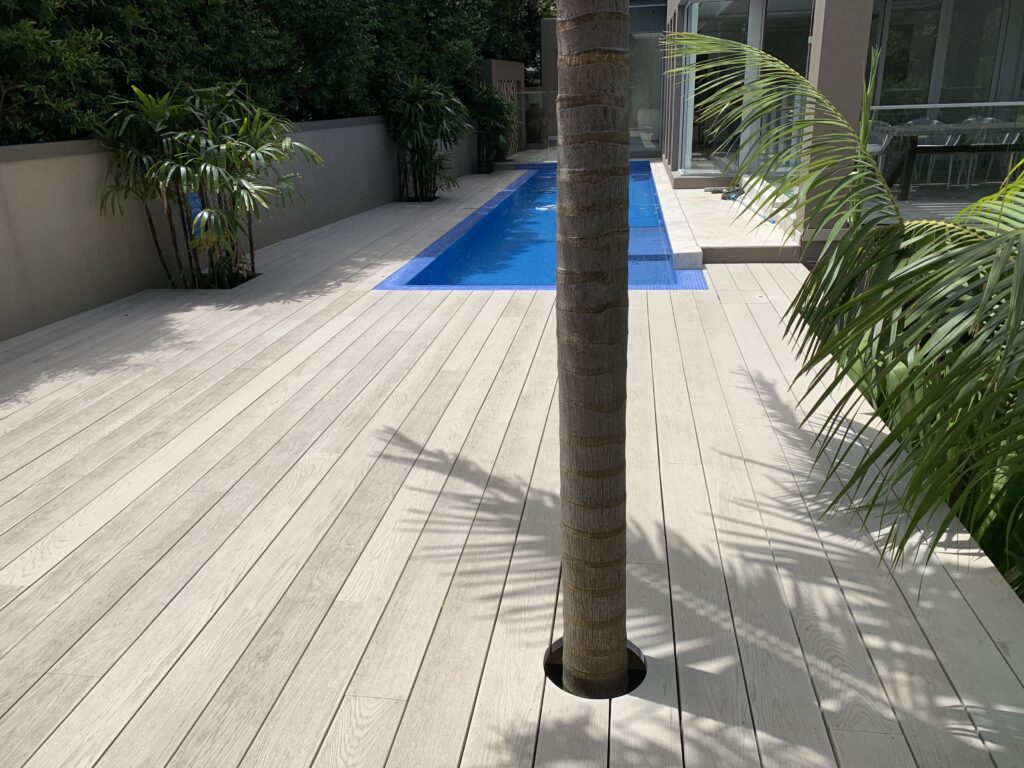
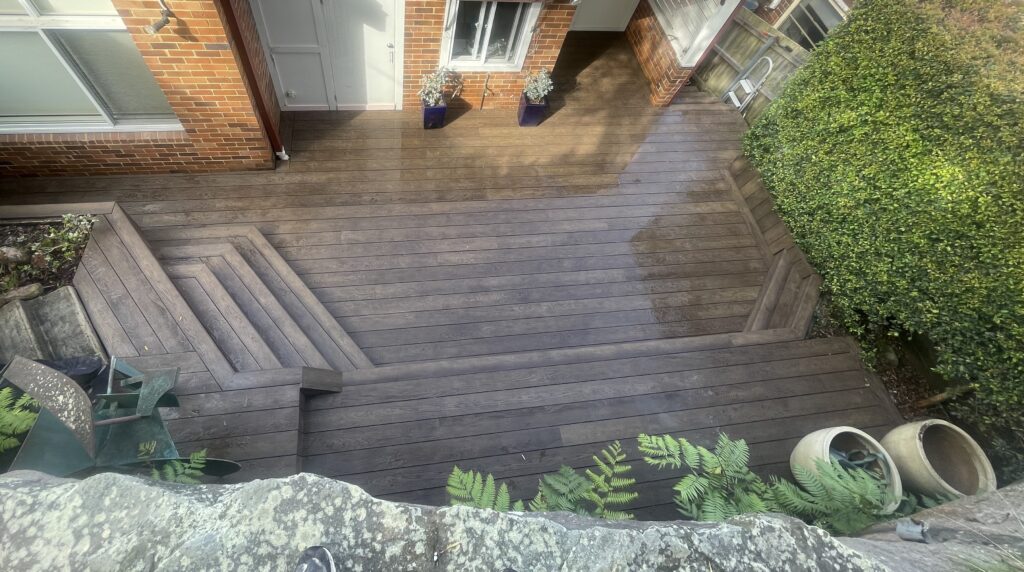
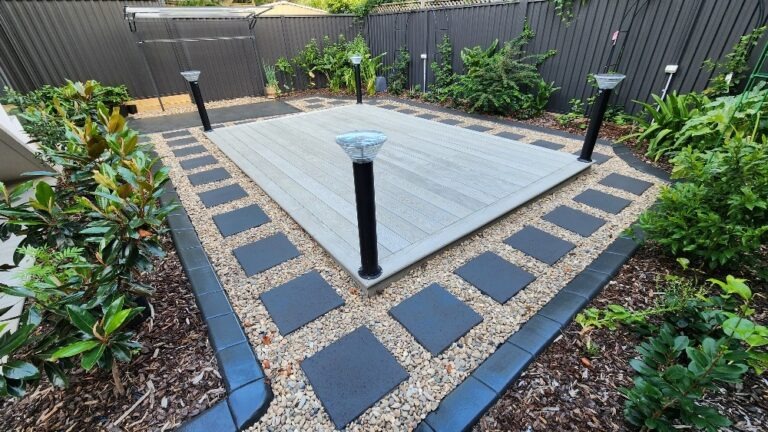
See them in detail: my Millboard deck in Vaucluse → · Millboard pool deck in Clovelly →
What a Millboard deck costs in Sydney
Millboard sits at the premium end of the composite market — as a rough guide, expect around $1,100 per square metre, supply and installed (roughly $1,000–$1,250 depending on the design). The landed UK cost is the reason it’s dearer than the mid-tier brands, and it’s exactly what you’re paying for: the closest thing to real aged hardwood in a board you never have to oil.
Millboard decking — common questions
How much does a Millboard deck cost in Sydney?
Millboard vs Trex — which should I choose?
Is Millboard rated for bushfire (BAL) areas?
Can Millboard go on a low or damp deck?
Why is Millboard more expensive than other composites?
Can you do curves and shaped edges with Millboard?
Thinking about a Millboard deck?
Tell me about your site and I’ll give you honest advice and an on-site measured quote.
Get a quoteWeighing up brands? See my full composite decking comparison for Sydney →